
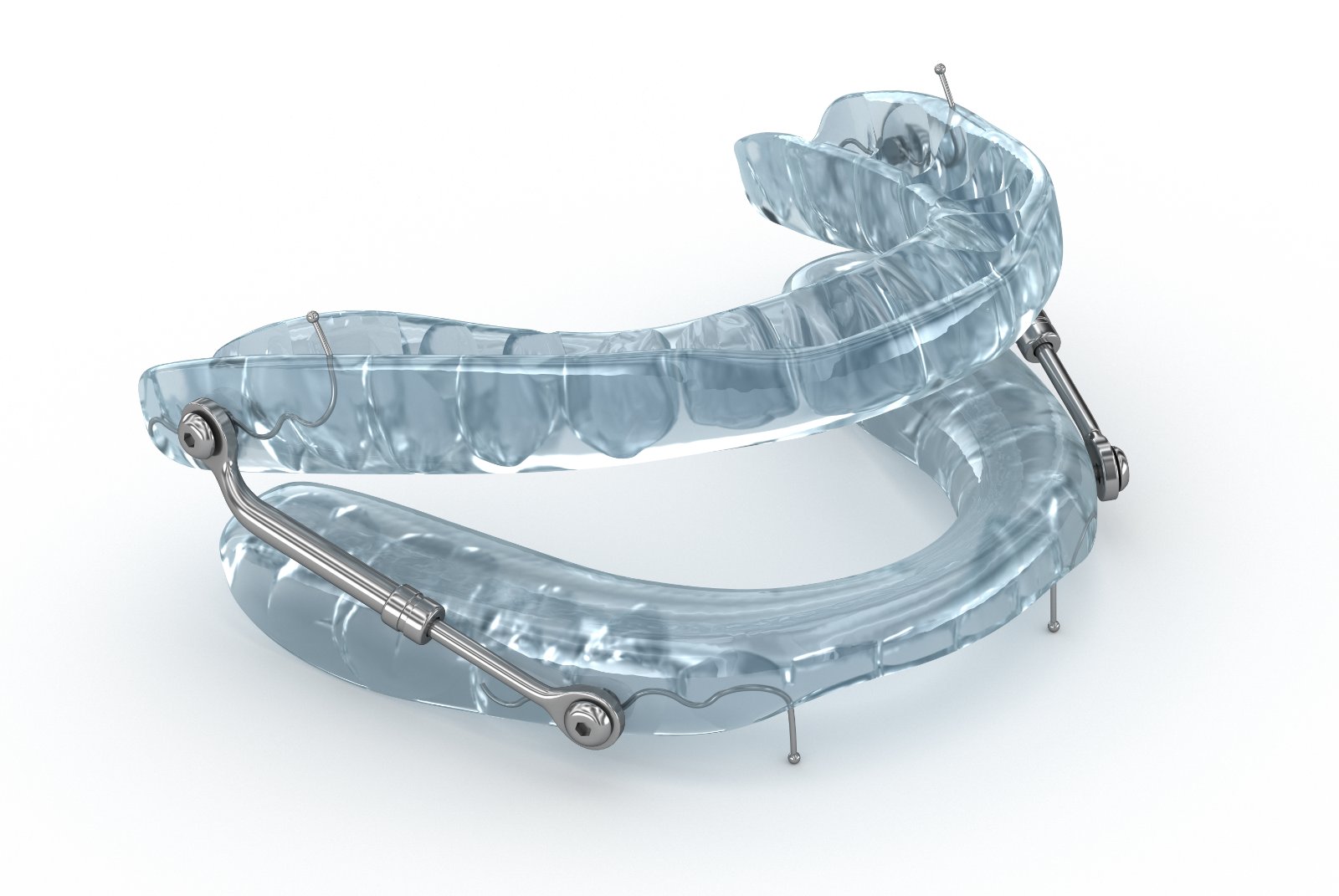
What is Sleep Apnea?
Sleep apnea is a common sleep disorder. It causes breathing to stop and start during sleep. Many people do not know they have it. Often, sleep apnea leads to poor sleep and tiredness during the day. There are different types, but obstructive sleep apnea is the most common. In this type, the airway gets blocked while you sleep. Because of this, your body wakes up many times at night. Oral appliance therapy is one way to treat sleep apnea. Dentists play a key role in this treatment.
Symptoms and Risks of Sleep Apnea
Many people with sleep apnea do not notice the signs. However, some common symptoms include:
Sleep apnea can also raise your risk for other health problems. For example, it can lead to high blood pressure, heart disease, stroke, and diabetes. Because of these risks, early treatment is important.
How Dentists Diagnose Sleep Apnea
Many people wonder how dentists help with sleep apnea. Dentists often notice signs during regular check-ups. For instance, they may see worn teeth or a small jaw. If they suspect sleep apnea, they may ask about your sleep habits. Sometimes, dentists work with sleep doctors to confirm the diagnosis. You may need a sleep study to check for breathing problems at night. After diagnosis, your dentist can discuss treatment options, including oral appliances for sleep apnea.
Oral Appliance Therapy: How It Works
Oral appliance therapy is a simple way to treat mild to moderate sleep apnea. The dentist fits you with a custom device that you wear in your mouth while you sleep. This device gently moves your jaw forward. As a result, your airway stays open, and you can breathe better at night. Oral appliances are easy to use and do not need electricity. Many people find them more comfortable than other treatments, such as CPAP machines.
Benefits and Limitations of Oral Appliances
Oral appliances offer several benefits for people with sleep apnea:
However, there are some limitations. For example, oral appliances may not work for severe sleep apnea. Some people may feel jaw pain or have changes in their bite. Because of this, regular check-ups with your dentist are important. Your dentist can adjust the device if needed.
The Dentist’s Role in Managing Sleep Apnea
Dentists play a big part in treating sleep apnea. First, they help spot early signs during dental exams. Next, they guide you through the diagnosis process. After that, they fit and adjust your oral appliance. Dentists also check your progress and make sure the device works well. If you have problems, your dentist can help solve them. In many cases, dentists work with sleep doctors to give you the best care.
Tips for Patients Considering Oral Appliance Therapy
If you are thinking about oral appliance therapy, consider these tips:
With the right care, many people see big improvements in their sleep and health.
Prevention and Lifestyle Guidance
While oral appliances help, some lifestyle changes can also reduce sleep apnea symptoms. For example, you can:
These steps can make your treatment more effective. Your dentist can offer more advice based on your needs.
In summary, sleep apnea is a serious condition, but help is available. Oral appliance therapy is a safe and simple option for many people. Dentists play a key role in diagnosing and treating sleep apnea. If you think you may have sleep apnea, consult at Sky Dental Lounge to discuss your sleep apnea treatment options.