
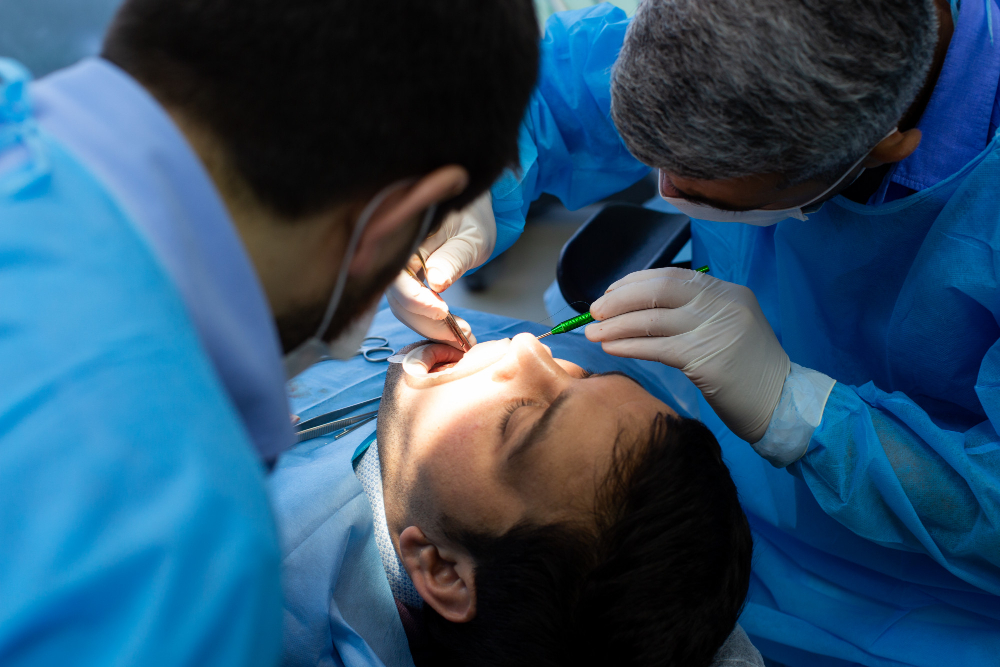
Introduction
Dental and jaw trauma can happen to anyone, often when least expected. These injuries include broken teeth, knocked-out teeth, or a fractured jaw. Because dental and jaw trauma can cause pain, bleeding, and long-term problems, knowing how to respond right away is important. Quick first-response steps can help save teeth and prevent further damage. This guide will show you what to do if you or someone you know faces a dental or jaw injury.
What Is Dental & Jaw Trauma?
Dental trauma means any injury to the teeth, gums, or mouth. Jaw trauma refers to injuries to the jawbone or the area around it. Both types of trauma can range from mild to severe. For example, a chipped tooth is mild, while a broken jaw is serious. Often, these injuries need fast action to avoid lasting problems. According to the American Dental Association, early care can improve recovery and outcomes.
Common Causes of Dental & Jaw Injuries
Many things can lead to dental and jaw trauma. Understanding these causes can help you stay alert and take steps to avoid them. Some common causes include:
Because accidents can happen anytime, knowing the risks is key. Wearing protective gear, such as mouthguards, can lower your risk during sports.
Recognizing Symptoms of Dental & Jaw Trauma
It is important to spot the signs of dental and jaw trauma early. Quick action can make a big difference. Look for these symptoms:
If you notice any of these signs, act quickly. Sometimes, symptoms may not appear right away, so keep watching for changes.
Immediate First-Response Steps
When dental or jaw trauma occurs, taking the right steps can help prevent further harm. Here is what you should do:
Because quick action matters, always seek help from a dental or medical professional after these first steps.
When to Seek Emergency Dental Care
Some dental and jaw injuries need urgent care. You should go to an emergency dentist or hospital if:
Even if the injury seems minor, it is best to get checked by a dental specialist. Early treatment can prevent infection and long-term damage. The Centers for Disease Control and Prevention (CDC) recommends seeking care for any mouth injury that causes pain, bleeding, or changes in bite.
Prevention Tips for Dental & Jaw Injuries
While accidents are not always avoidable, you can lower your risk with these tips:
Because prevention is easier than treatment, these habits can help protect your smile and jaw.
Conclusion
Dental and jaw trauma can be scary, but knowing what to do helps. Quick first-response steps and early care can save teeth and prevent problems. If you or someone you know experiences dental or jaw trauma, consult a dental specialist at Sky Dental Lounge immediately for personalized care.