
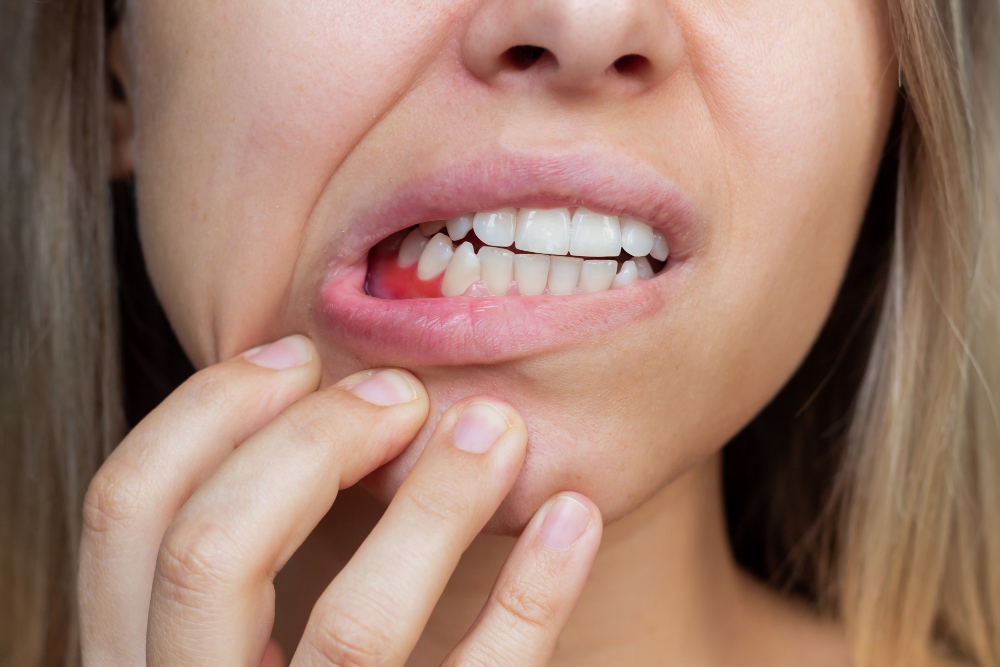
What is Gum Recession?
Gum recession happens when the gum tissue pulls away from the teeth. As a result, more of the tooth or its root becomes exposed. This can lead to tooth sensitivity and even tooth loss if not treated. Many people do not notice gum recession at first. However, early care is important. Gum recession treatment can help protect your teeth and gums.
Common Causes of Gum Recession
Several factors can lead to receding gums. Understanding these causes of gum recession can help you protect your smile. For example, some common reasons include:
Because many causes are preventable, knowing these risks is helpful for preventing receding gums.
Symptoms and Early Warning Signs
Often, gum recession develops slowly. Still, there are warning signs you can watch for. Early detection can make treatment easier. Look for these symptoms:
Sometimes, you may not notice pain. However, regular dental checkups can help spot gum recession early.
Diagnosis: How Dentists Identify Gum Recession
During a dental exam, your dentist will check your gums and teeth. First, they may use a small tool to measure the depth of the space between your teeth and gums. This is called a pocket. Healthy pockets are usually 1 to 3 millimeters deep. Deeper pockets may signal gum recession or gum disease. In addition, your dentist may take X-rays to see if bone loss has occurred. Early diagnosis is key for successful gum recession treatment.
Treatment Options for Gum Recession
Treatment depends on how severe the gum recession is. For mild cases, your dentist may suggest simple changes. However, advanced cases may need more care. Common gum recession treatment options include:
Because each person is different, your dentist will help choose the best treatment for you.
Prevention Tips and Lifestyle Guidance
Preventing receding gums is possible with good habits. Although some risk factors are out of your control, many can be managed. Try these prevention tips:
With these steps, you can help keep your gums healthy. For more information, contact at Sky Dental Lounge.