
Introduction
Have you ever wondered, “Do all teeth crack in a similar way?” This is an important question for anyone who cares about dental health. Tooth cracks can happen to anyone, and they may lead to pain or even tooth loss if ignored. Understanding tooth cracks helps you spot problems early and keep your smile healthy. In this blog, we will explore the types of tooth cracks, their causes, symptoms, and how to prevent them. We will also discuss dental crack treatment options and tips for protecting your teeth.
Types of Tooth Cracks
Not all tooth cracks are the same. In fact, dentists see several types. Each type can affect your teeth differently. Here are the main types:
Do All Teeth Crack in a Similar Way?
Although all teeth can crack, they do not always crack the same way. For example, back teeth (molars) often get fractured cusps because they handle most chewing. Front teeth may develop craze lines from biting hard objects or grinding. Additionally, root fractures are more common in teeth with large fillings or after root canal treatment. So, the way a tooth cracks depends on its location, use, and past dental work.
Causes of Tooth Cracks
Many things can cause tooth cracks. Some common causes include:
Because these causes are common, anyone can develop a cracked tooth. However, you can lower your risk by avoiding certain habits.
Symptoms of Cracked Teeth
Sometimes, tooth cracks are hard to see. Yet, there are signs you can watch for. Common symptoms include:
However, not all cracks cause pain. If you notice any of these symptoms, it is wise to see a dentist soon.
Diagnosis: How Dentists Identify Cracked Teeth
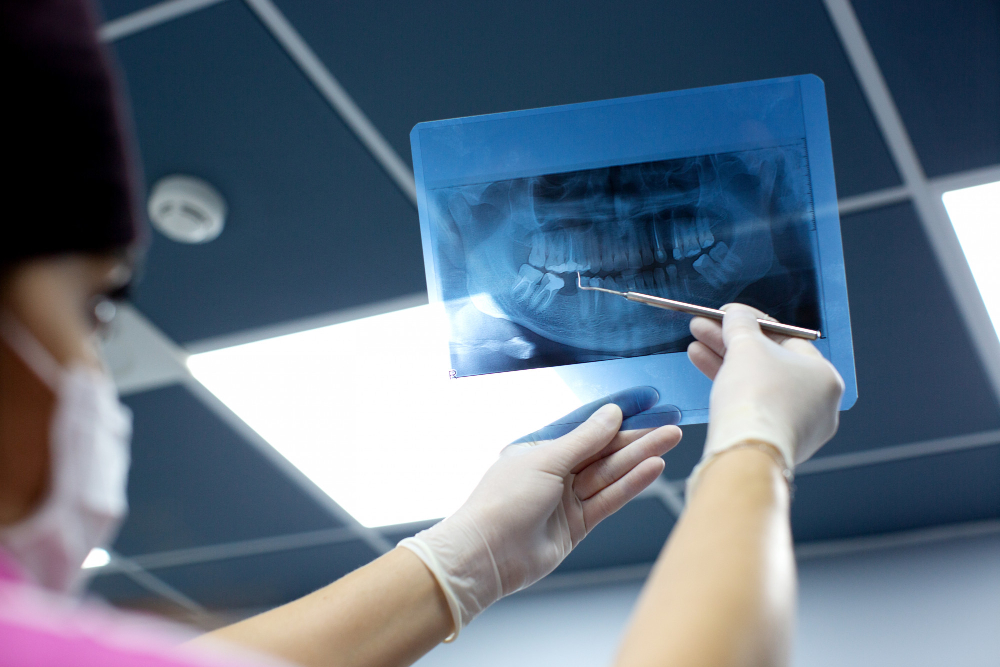
Dentists use several methods to find cracked teeth. First, they ask about your symptoms and examine your mouth. Next, they may use a bright light or magnifying glass to look for cracks. Sometimes, they use dental dye to highlight cracks. X-rays can help, but small cracks may not show up. In some cases, dentists use special tools to test how your tooth responds to pressure. Early diagnosis is important for the best dental crack treatment.
Treatment Options for Cracked Teeth
Treatment depends on the type and size of the crack. Here are some common dental crack treatment options:
Because every case is different, your dentist will suggest the best option for you.
Prevention Tips and Oral Care Guidance
While not all cracks can be prevented, you can lower your risk. Try these tips:
With these steps, you can help keep your teeth strong and healthy.
Conclusion
To sum up, not all teeth crack in a similar way. The type of crack, its cause, and the best treatment can vary. Early detection and care are key to saving your tooth and avoiding pain. If you suspect a cracked tooth, consult a dentist at Sky Dental Lounge for personalized advice and treatment